


-

Add: HeBei ShengShi HongBang Cellulose Technology CO.,LTD.
-

Email
13180486930@163.com -

CONTACT US
+86 13180486930
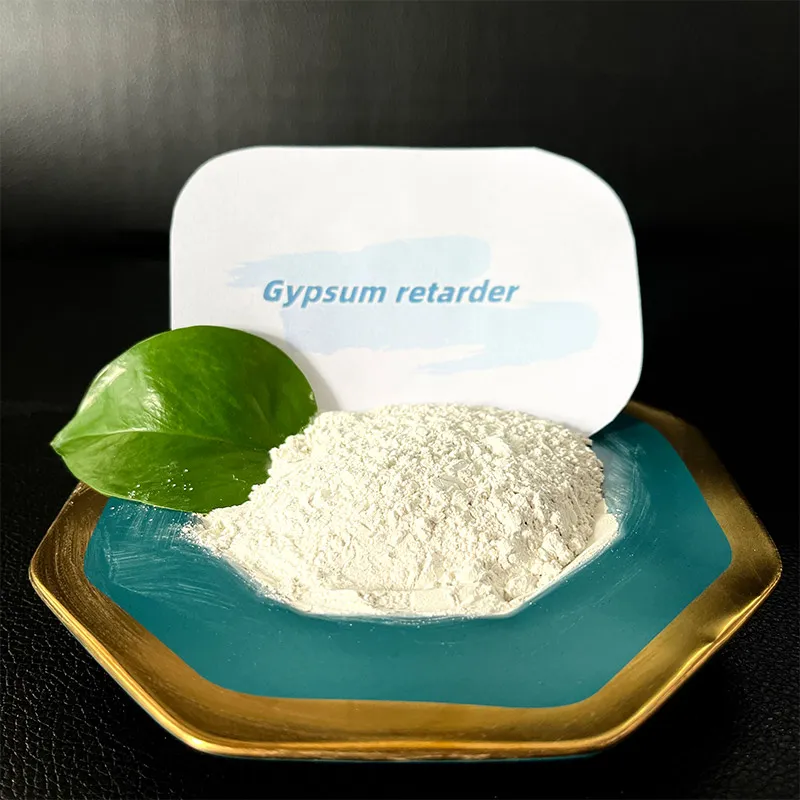

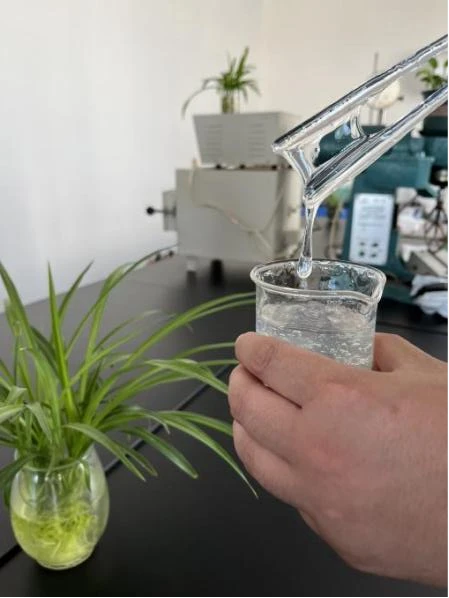
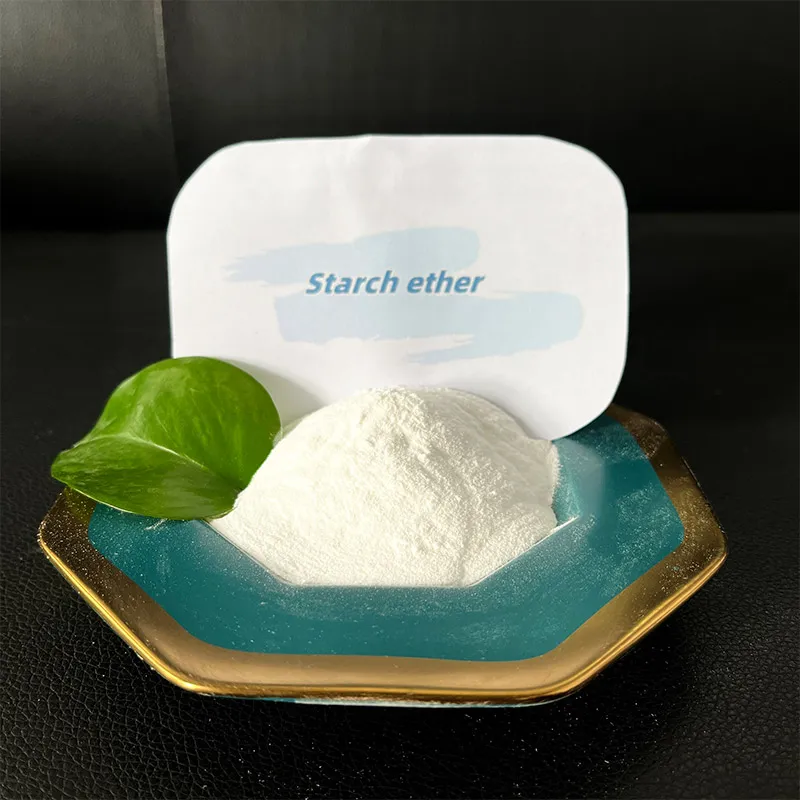
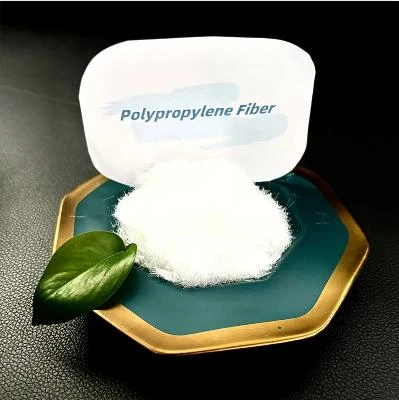


How to Make HPMC Gel A Step-by-Step Guide Hydroxypropyl methylcellulose (HPMC) is a versatile polymer widely used in various applications, including pharmaceuticals, cosmetics, and food products. One of the most common uses of HPMC is to create gels, which can serve as thickening agents, stabilizers, or film-forming agents. In this article, we will provide a detailed guide on how to make HPMC gel, ensuring that you have all the information you need to successfully create your own gel. Materials Needed Before getting started, it’s essential to gather all the materials you will need 1. HPMC Powder Available in various grades, choose one that fits your intended application. 2. Distilled Water Using distilled water ensures that no impurities interfere with the gel formation. 3. Heating Source A hot plate or stovetop for heating the water. 4. Beaker or Container For mixing the ingredients. 5. Stirring Tool A whisk or a magnetic stirrer for thorough mixing. 6. pH Meter or Strips Optional but useful for adjusting the pH if necessary. 7. Preservatives (Optional) If you intend to store the gel for an extended period, consider adding a preservative. Step-by-Step Instructions Step 1 Prepare the Water Start by measuring the amount of distilled water you will need. The quantity of water will depend on the desired concentration of the HPMC gel. Typically, a concentration of 1-3% HPMC is used, but you can adjust it according to your requirements. Pour the measured water into a beaker or container. Step 2 Heat the Water Gently heat the distilled water using your heating source. The temperature should be around 60-70°C (140-158°F), which helps dissolve the HPMC more effectively. Do not bring the water to a boil, as excessive heat might degrade the polymer. Step 3 Mix HPMC with Water how to make hpmc gel Slowly add the HPMC powder to the heated water while continuously stirring. It’s crucial to sprinkle the HPMC powder evenly to prevent clumping. Use a whisk or a magnetic stirrer to create a homogeneous mixture. Continue stirring until the powder is fully dissolved, and the mixture becomes viscous. Step 4 Allow to Cool and Thicken Once the HPMC is fully dissolved, remove the beaker from the heat source and allow the solution to cool. As it cools, the gel will thicken further. This process may take some time, so be patient. You can stir occasionally to ensure even thickening. Step 5 Adjust pH (Optional) If necessary, check the pH of the gel using a pH meter or strips. HPMC gels typically perform best at a neutral pH (around 7). If you find that the pH is too high or low, you can adjust it by adding small amounts of citric acid (to lower pH) or sodium hydroxide (to raise pH). Stir well after each adjustment. Step 6 Add Preservatives (If Needed) If you plan to store the HPMC gel for an extended period, consider adding a preservative to prevent microbial growth. Follow the manufacturer's instructions regarding the appropriate type and quantity of preservative to use. Step 7 Store the Gel Properly Transfer the HPMC gel into an airtight container. Store it in a cool, dry place away from direct sunlight. If stored correctly, HPMC gel can last for several months. Conclusion Creating HPMC gel at home is a straightforward process that involves heating water, dissolving the HPMC powder, and allowing it to cool and thicken. With just a few ingredients and some patience, you can produce a high-quality gel suitable for various applications. Whether you are a hobbyist or a professional, understanding how to make HPMC gel can be a useful skill in your toolkit. Enjoy experimenting with your gel, and don’t hesitate to adjust the formulation to meet your specific needs!
- 40000tons

Production
- 20+years

Experience
- 5000+㎡

Acreage

-
Le HPMC 606, connu sous le nom de hydroxypropylmethylcellulose, est un polymère essentiel dans nombreux secteurs industriels, allant de la construction à la pharmaceutique. Ayant travaillé pendant plus d'une décennie dans le domaine des matériaux polymères, je partage ici des expériences, des connaissances et des conseils pour optimiser l'utilisation du HPMC 606, garantissant ainsi son meilleur rendement. Dans l'industrie de la construction, le HPMC 606 est salué pour sa capacité à améliorer la consistance et la performance des mélanges. Grâce à ses propriétés thixotropiques, il agit comme un agent épaississant et rétenteur d'eau dans les mélanges à base de ciment et de plâtre. Pour maximiser son efficacité, il est crucial de choisir la bonne viscosité et le poids moléculaire adapté aux besoins spécifiques du projet de construction. Une mauvaise sélection peut entraîner des temps de prise prolongés ou une résistance inférieure. Mon expérience montre que les formulations doivent être ajustées en fonction des conditions climatiques pour maintenir un équilibre optimal entre mouillage et adhérence. Le secteur pharmaceutique bénéficie grandement du HPMC 606, notamment dans la fabrication de comprimés à libération prolongée. Sa capacité à former des matrices géloïdes permet une diffusion contrôlée du médicament, améliorant ainsi la biodisponibilité et garantissant une libération uniforme. Pour les entreprises qui cherchent à obtenir une autorisation de mise sur le marché, la transparence sur la pureté et la stabilité du HPMC utilisé est cruciale. Assurez-vous de tester chaque lot pour prévenir les variations qui pourraient affecter l'efficacité thérapeutique du produit fini. Hpmc 606 Dans le domaine des produits alimentaires, bien que moins conventionnel, le HPMC 606 est utilisé pour ses qualités texturantes et stabilisantes. En tant que spécialiste en science des aliments, il est fascinant de voir comment ce polymère peut être employé pour créer des textures sans gluten dans les produits de boulangerie, tout en maintenant l'élasticité et le volume, reproduisant ainsi fidèlement les qualités du blé traditionnel. Pour une adoption réussie du HPMC 606 dans vos processus industriels, il est impératif de favoriser une collaboration étroite avec les fournisseurs. Ils peuvent fournir des échantillons pour tests et offrir des conseils sur les formulations uniques. La fiabilité du fournisseur joue un rôle crucial, car la cohérence de la qualité assurera la pérennité et le succès de vos produits. En conclusion, le HPMC 606 représente un matériau polyvalent aux applications diversifiées . Pour les professionnels cherchant à améliorer l'efficacité et la qualité de leurs produits, une compréhension approfondie de ses propriétés physiques et chimiques est essentielle. Grâce à des essais rigoureux et une adoption réfléchie, le HPMC 606 peut transformer les productions industrielles, apportant innovation et durabilité. Dans un monde où la confiance et la qualité règnent sur le choix des matériaux, le succès réside dans une application informée et stratégique des ressources disponibles.
-
Finding the right HPMC (hydroxypropyl methylcellulose) eye drops can make a significant difference in managing eye conditions such as dryness, irritation, and post-surgical healing. In this guide, we will explore several prominent HPMC eye drop brands that have been trusted by medical professionals and users alike, focusing on their effectiveness, specialty formulations, and user experiences to enhance your decision-making process. One of the leading brands in the arena is Blink Tears. Known for their hydrating formulas, Blink Tears utilizes HPMC as a key ingredient to replicate natural tears and provide extended relief from dry eye symptoms. The formula's compatibility with contact lenses makes it a versatile option for daily users. Many users have reported significant improvements in ocular comfort and reduced frequency of application due to its long-lasting effects, further highlighting its reliability. Refresh is another brand that has carved out a niche in the HPMC eye drops market . Their products, such as Refresh Tears and Refresh Plus, are popular for their lubricating properties and preservative-free formulations. This makes them ideal for individuals with sensitive eyes or those who require frequent administration of eye drops. The Refresh brand is often recommended by ophthalmologists due to its clinically-tested benefits and wide availability, which adds a layer of trust and credibility to its use. Ocusoft Retaine is a brand that might not be as widely recognized as others but has earned respect within the ophthalmic community for its unique delivery method. Utilizing a special emulsion technology, Retaine products ensure that the beneficial effects of HPMC are dispersed evenly across the eye, providing uniform moisture retention. Health professionals often suggest this brand for its innovative approach to eye hydration, which offers both immediate and sustained relief without the blur caused by some thicker gels. hpmc eye drops brands Systane, a brand under the umbrella of Alcon, offers a range of HPMC-based products that cater to different severity levels of dry eyes. Systane Ultra is particularly noteworthy for its rapid-acting capabilities, delivering instant relief that has garnered positive user feedback. This product is also recommended for patients who experience discomfort during prolonged screen time, thus aligning the brand with modern lifestyle demands and reinforcing its authoritative stance in the market. Bausch + Lomb, with their Soothe line of eye drops, integrates HPMC to construct a shield-like barrier across the cornea, protecting it from external irritants while providing lubrication. The brand’s long-standing history in the eye care industry endows it with an authoritative reputation, making it a go-to for patients seeking dependable ocular solutions. User reviews often celebrate the soothing sensation these drops provide, which enhances trust among new and repeat customers. Ultimately, choosing the best HPMC eye drops depends on individual needs, from lifestyle and environmental exposure to specific ocular conditions. Trusted brands like Blink, Refresh, Ocusoft, Systane, and Bausch + Lomb offer a wide array of high-quality options that stand out for their user feedback and professional endorsements. Consulting with an eye care professional can further personalize your choice, ensuring the selected product aligns precisely with your eye health requirements. Through this tailored approach, you can bolster the health of your eyes with products backed by experience, expertise, authoritativeness, and trustworthiness.
advantages
-

200000 Viscosities
Excellent product
We can produce pure products up to 200,000 viscosities
-

40000 tons
High yield
We don’t stop production all year round, and the annual output can reach 40,000 tons
-

24 hours
Quality service
We provide 24-hours online reception service, welcome to consult at any time
———— Inquiry Form
Schedule A services


-
 hpmc_5_cps
Oct . 25, 2025
The Role of Polypropylene in Screed Applications Screed is an essential material in the construction -
 effet_de_la_fibre_de_polypropylene_dans_le_beton
Oct . 25, 2025
Understanding Cellulose Derived from Wood Cellulose is a vital organic compound that forms the struc -
 types_d_amidon_modifies
Oct . 25, 2025
Rubber powder is a revolutionary material that opens up endless possibilities across various industr


